POA&More offers remote notarization for expats in UAE, providing integrated digital solutions for notarization and legal attorney services. These services are specifically designed for foreign residents and investors, whether located within or outside the country. The company’s services are primarily based on the “e-Notary” system adopted by Dubai courts and other judicial authorities in the UAE, eliminating the need for in-person attendance.
What Is Remote Notarization for Expats in UAE?
Remote notarization for expats in UAE is an advanced digital service that allows residents and foreigners (both inside and outside the country) to complete legal transactions and authenticate official documents and powers of attorney online, without needing to visit a notary public’s office in person. This service relies on video conferencing and digital signature technologies to ensure security and legal reliability. The process is typically conducted through the digital platforms of judicial departments (such as the Ministry of Justice, Dubai Courts, or the Abu Dhabi Judicial Department). Remote notarization for expats in UAE involves the following steps:
- Digital ID (UAE Pass): This is the essential key to the service, used for login, identity verification, and electronic document signing.
- Document Upload: Draft documents (such as general powers of attorney, articles of incorporation, or declarations) are uploaded via the website or mobile application.
- Live Video Call: The notary public schedules a video call via designated platforms (such as Zoom, Botim, or the department’s own platforms) to verify the identities of the parties, their legal capacity, and their willingness to sign.
- Signing and Payment: After verification, the documents are signed digitally, and the required fees are paid electronically.
- Receiving the document: You will receive the digitally authenticated copy via email or through the digital wallet in the UAE Pass application. It is a fully certified and legal copy.
Why Expats Might Need Remote Notarization?
Remote notarization for expats in UAE is a significant advancement, particularly beneficial for foreign residents given their mobile lifestyles and international connections. Here are the key reasons why Remote notarization for expats in UAE:
1. Completing Transactions While Abroad
Many residents spend their holidays in their home countries or travel for business. Thanks to digital notarization, residents can notarize a power of attorney (POA) or sales and purchase contracts without having to cut short their vacation and return to the UAE, saving travel costs and time.
2. Managing Real Estate and Commercial Investments
The UAE is a major investment destination. Residents often need to notarize:
- Shareholder agreements or board resolutions for companies.
- Real estate contracts (sale, purchase, or lease).
- Remote notarization allows investors to complete these procedures via a secure video call and digital signature (such as UAE Pass), expediting business processes.
3. Streamlining Personal and Legal Procedures
Foreign residents frequently need to notarize documents related to their personal lives, such as:
- Affidavits.
- Transfers of property or cancellation of powers of attorney.
- Employment contracts requiring official attestation.
4. Saving Time and Effort in the Workplace Crowd
Instead of taking time off work and going to customer service centers or special notary offices and waiting in queues, residents can complete transactions from their offices or homes in just a few minutes, which aligns with the fast-paced lifestyle in cities like Dubai and Abu Dhabi.
5. Security and Legal Reliability
The UAE employs advanced technologies (such as facial recognition and encrypted digital signatures) to ensure that forgery does not occur. For foreign residents, this provides peace of mind knowing that their documents are legally protected and fully recognized before courts and government entities under the Federal Law on Electronic Transactions and Trust Services.
Legal Validity of Remote Notarization in UAE

The UAE is a global leader in digital transformation and has established a comprehensive legal framework that grants Remote notarization for expats in UAE the same legal validity as traditional in-person notarization. Here is a breakdown of the legal legitimacy and the foundations upon which this process is based:
1. The Basic Legislative Framework
The remote notarization process derives its legitimacy from several federal and local laws, most notably:
- The Federal Law on Electronic Transactions and Trust Services: This law recognizes the validity of electronic signatures and digital documents, deeming them legally binding as long as they meet the required technical standards.
- The Federal Law on Notaries Public: Regulations have been updated to allow notaries public (both public and special) to provide their services via video conferencing.
- Decisions of the Ministry of Justice and Local Judicial Departments: The Abu Dhabi Judicial Department and the Dubai Courts have issued regulatory decisions enabling the completion of transactions online through their official applications.
2. How is Legality Ensured (Legal Guarantees)?
Remote notarization for expats in UAE to be legal and recognized, the relevant authorities follow strict procedures:
- Identity Verification (UAE Pass Digital Identity): The UAE Pass system is the cornerstone, digitally verifying the identities of the parties with a very high level of security.
- Live Video Connection: The notarization process must be conducted via a live, recorded video connection between the notary and the concerned parties to ensure eligibility and consent.
- Certified Electronic Signature: Documents are signed digitally, and the notarized document is issued with a QR code for later verification.
3. Types of Documents Eligible for Remote Notarization
Generally, most transactions can be notarized, including:
- Legal Powers of Attorney: of all types (general and special).
- Declarations: such as declarations of assignment or dependency.
- Articles of Association: for companies and their amendments.
- Legal Notices.
Common Challenges in Remote Notarization for Expats
Remote notarization for expats in UAE is a game-changer that has simplified the lives of residents. However, like any advanced digital system, it faces some logistical and technical challenges that can hinder transactions if you’re not prepared. Here are some of the most common challenges faced by foreign residents and how to deal with them:
1. Digital Identity (UAE Pass) Challenges
Digital identity is the key to all notarization services. Challenges here include:
- Unverified Account: Many residents have “Basic” accounts, while notarization requires a “Verified” account, which necessitates facial recognition or a visit to a self-service kiosk.
- Data Updates: When renewing a passport or Emirates ID, there may be a delay in data synchronization between systems, leading to denied access to the notarization platform.
2. Language and Legal Translation
UAE law uses Arabic as the primary language in courts and official departments:
- Certified Translation: Documents written in a foreign language are not accepted unless they have been legally translated by an office accredited by the Ministry of Justice.
- Technical Terminology: Sometimes the precision of contracts (such as software contracts or complex partnerships) is lost during translation, which may lead to their rejection by the notary public if the Arabic wording is not legally clear.
3. Attestation Chain
If the document is issued outside the UAE (such as a marriage certificate or power of attorney from your home country):
The challenge lies in the necessity of attestation by the Ministry of Foreign Affairs in the country of origin, then by the UAE embassy there, and finally by the Ministry of Foreign Affairs within the UAE before starting the digital notarization process. Skipping any link in this chain will result in immediate rejection of the transaction.
4. Technical Obstacles During the Video Session
Remote notarization for expats in UAE requires a video connection with the notary public:
- Internet Stability: Connection interruptions during the session may lead to the cancellation of the transaction and the need to book a new appointment.
- Quality of Uploaded Documents: Uploading unclear or incomplete scans will result in automatic or manual rejection of the application.
5. Data Mismatch
This is a classic challenge for foreign residents:
Spelling Discrepancy: There may be a slight difference in the spelling of the name between the passport, Emirates ID, and the document being authenticated. The digital notary is very precise in matching names literally.
Required Documents for Remote Notarization
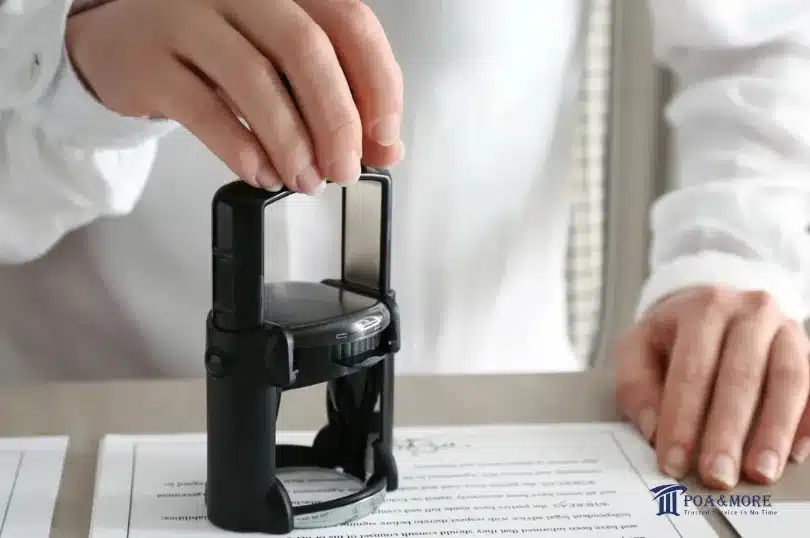
For remote document notarization in the UAE, the system has evolved significantly to become fully digital through the platforms of the Ministry of Justice or local judicial departments (such as the Dubai and Abu Dhabi courts). Here is a list of the essential documents and requirements you will need when using Remote notarization for expats in UAE:
1. Identification Documents (Essential for Everyone)
- For citizens and residents: Activate the UAE Pass digital identity application; it is the primary means of logging in and electronic signature.
- For non-residents (outside the country): Passport, and the “Unified Number” (found on the previous entry visa, if applicable), or submit an application through the Notary Public platform using passport details.
2. Documents to be Notarized
The required documents depend on the type of transaction:
- Powers of Attorney (POA): A draft power of attorney in Arabic (or bilingual: Arabic and English) that is accurately drafted.
- Commercial Contracts: (such as articles of incorporation or share sale) The commercial licenses of the companies involved must be attached.
- Declarations: The text of the declaration to be notarized (such as a declaration of assignment or a declaration of dependency).
3. Technical and Procedural Requirements
- Video Conferencing Application: The BOTIM application or court-provided meeting platforms are often used for video interviews with the notary public to verify identity and eligibility.
- Legal Translation: If the document is in a language other than Arabic, it must be legally translated and certified by the Ministry of Justice.
- Prior Attestations: If the document is issued outside the UAE, it must be attested by the Ministry of Foreign Affairs of the issuing country and the UAE embassy there, and then by the UAE Ministry of Foreign Affairs before being submitted for notarization.
How to Ensure Your Remote Notarization Is Accepted?
To ensure acceptance of Remote notarization for expats in UAE through POA&More, you must follow the official digital pathway adopted by the government to facilitate transactions. This is no longer just an “option,” but a fully integrated system with the same legal force as in-person notarization, according to Federal Decree-Law No. (46) of 2021 on Electronic Transactions. Here are the essential steps to guarantee the legal and institutional acceptance of your notarization:
1. Activate your UAE Pass
- This is your first and most important key. Remote notarization requires a validated electronic signature, which the UAE Pass provides at the “Upgraded Account” level, including facial recognition.
- Tip: Ensure your UAE Pass account is fully “verified,” as official entities (such as notaries public) rely on it to verify your identity and digitally sign documents.
2. Use official platforms exclusively
Remote notarization is only accepted through channels approved by the Ministry of Justice or local judicial departments:
- Ministry of Justice (for all Emirates): via its website or smart application.
- Dubai Courts: Through the “eNotary Public” portal.
- Abu Dhabi Judicial Department: Through its smart application and digital notarization services.
3. Preparing for the “Video Call” Session
In most notarization cases (such as powers of attorney or declarations), the notary will ask you to join a video call (often via Microsoft Teams or an internal platform). To ensure acceptance:
- You must have your original Emirates ID (or passport for non-resident foreigners) to show to the camera.
- Ensure you are in a quiet place with good lighting for facial recognition.
- This session will be recorded as legal proof of your eligibility and consent.
4. Drafting and Translating the Document
- Language: The document must be in Arabic, or in both Arabic and English (bilingual format).
- Legal Translation: If the document is translated, it must be issued by a translation office accredited by the UAE Ministry of Justice.
5. Verifying the Document Type
Not all documents are fully eligible for remote notarization. Documents that are readily accepted include:
- Powers of Attorney (general and special). Declarations (such as declarations of assignment or residence).
- Company incorporation contracts and their addenda.
- Notifications from the Ministry of Justice.
In some cases, Notarization Rejected Dubai situations occur due to incomplete documents, incorrect identification details, unsigned forms, or failure to meet UAE legal requirements. For expats using remote notarization services, ensuring accuracy and proper documentation is essential to avoid delays. Understanding common rejection reasons helps applicants prepare correctly and complete the notarization process smoothly and efficiently.
Differences Between Onsite and Remote Notarization
Legal services in the UAE have developed significantly, becoming among the fastest in the world. The Ministry of Justice and local judicial departments (such as the Abu Dhabi Judicial Department and Dubai Courts) have provided flexible notarization options. Here’s the key difference between in-person and Remote notarization for expats in UAE:
1. In-Person (Traditional) Notarization
- This is the classic procedure that requires parties to physically visit service centers.
- Process: Visit a Tasheel or Adheed center, or the Public Notary at the court.
- Personal Attendance: All parties (or their legal representatives) must be present before the official.
- Signature: Signs are taken manually or electronically on designated devices within the center after verification of the original identity.
- Common Use: This method is preferred by some for very complex transactions or when they wish to ask the notary direct and lengthy questions.
2. Remote (Digital) Notarization
- This method relies entirely on technology and digital identity (UAE Pass), and is currently the prevailing trend. The process is conducted via smart applications (such as the Ministry of Justice app or the Dubai/Abu Dhabi Courts app) or websites.
- Identity verification is performed via video call, where the notary public verifies the identity of the parties, their mental capacity, and their free will.
- Signature: A valid digital signature is used via the UAE Pass digital identity application.
- Location: The process can be completed from anywhere in the world (provided the parties have a valid UAE identity card).
Tips for a Smooth Remote Notarization Process
Remote notarization for expats in UAE has become incredibly sophisticated and seamless thanks to digital transformation, but it requires meticulous preparation to avoid delays. Here are the most important tips to ensure a successful and fast experience with POA&More:
1. Prepare the essential technical requirements
Before the appointment, make sure your digital “tools” are ready:
- UAE PASS app: This is your key. Your account must be verified (Verified/Upgraded) with biometric fingerprinting, as the signature will be taken through it.
- Connection quality: Ensure you have a stable and quiet internet connection, and use a modern browser (Chrome or Safari is preferred) if the meeting is via a web link.
- Communication application: Platforms like Microsoft Teams or dedicated links from the Department of Justice are often used; make sure you download the application and test your microphone and camera.
2. Prepare the documents (technical aspects)
- File format: Upload documents in PDF format only, and ensure they are clear and not password-protected.
- Emirati ID: You must have your original ID with you during the video call to show it to the camera if requested by the notary.
- Legal Translation: If the document is in a language other than Arabic, it must be legally translated and certified by the UAE Ministry of Justice.
3. Tips During the “Visual Session” with the Notary:
The notary treats the digital meeting exactly as an in-person meeting, so:
- Punctuality: Be ready 10 minutes before the appointment. The system may automatically cancel the appointment if you are late.
- Quiet and Privacy: You should be alone in a quiet place. The presence of others coaching you on answers may prompt the notary to cancel the transaction to ensure “free will.”
- Clear Face: Make sure the lighting is good and that your face is clearly visible to the camera for verification against your ID photo.
4. Coordination Between Parties (If There Are Partners):
If the transaction requires the signature of more than one person (such as articles of incorporation or joint powers of attorney):
- Ensure that all parties have the UAE PASS application activated.
- It is preferable for everyone to be available at the same time to access the link, as the notary will verify everyone’s identity sequentially.
5. Fees and Payment
- You will usually receive a text message or email with a payment link after the notary approves the transaction.
- Tip: Pay the fees immediately, as the digitally authenticated document is only issued after payment confirmation, and the link often has a limited expiration date.
A Notarization Legal Notice for Recovery of Money is an important legal step when formally demanding outstanding payments in the UAE. Proper notarization adds legal weight to the notice, confirming its authenticity and compliance with local regulations. For expats using remote notarization services, ensuring accurate documentation and clear claim details helps strengthen the demand and supports potential legal action if payment is not made.
Risks and Limitations of Remote Notarization

Remote notarization for expats in UAE is a revolutionary step that has streamlined many procedures. However, like any new technology, it comes with some operational risks and legal restrictions that you should be aware of to ensure the security of your transactions. Based on current legislation (such as the Federal Decree-Law on Electronic Transactions and Trust Services), here are the most important things to know:
1. Legal Restrictions (What Cannot Be Notarized Remotely)
Despite its widespread adoption, there are documents that are not typically accepted through purely electronic notarization or require in-person attendance in certain cases:
- Personal Status: Transactions related to marriage, divorce, and wills often require special procedures and court appearances.
- Major Real Estate Transactions: Some property transfer or mortgage contracts may require physical attendance or “hybrid” notarization procedures at the Land Department.
- Documents Issued Abroad: International documents often require attestation from the Ministry of Foreign Affairs and the UAE embassy abroad before they can be processed digitally within the UAE.
2. Security and Technical Risks
- Digital Identity Theft: The greatest risk lies in the hacking of your “Digital Identity” (UAE Pass) account. If an unauthorized person gains access to your login credentials, they can authenticate documents in your name.
- Fraud via unlicensed platforms: Some offices claim to offer remote notarization services; therefore, always ensure you are using official platforms (such as the Ministry of Justice app or the Dubai/Abu Dhabi Courts portal).
- Technical vulnerabilities: Poor connection quality during video calls may lead to the notary rejecting the transaction if they cannot verify facial features or the authenticity of the presented document.
3. Procedural challenges
- Language and translation: Documents must be in Arabic (or a certified legal translation). Any error in digital translation may invalidate the notarization later.
- Validity of electronic signatures: Not all types of signatures are acceptable; the signature must be authenticated and unambiguously linked to the person’s identity.
How POA&More Can Assist Expats With Remote Notarization in UAE?
POA&More simplifies Remote notarization for expats in UAE by leveraging the digital transformation adopted by the UAE Ministry of Justice. Instead of in-person attendance at a notary public’s office, the company acts as a technical and legal intermediary to streamline the process. Here’s how they help you complete Remote notarization for expats in UAE:
1. Legally Preparing and Drafting Documents
The assistance begins by ensuring that the document (whether a general or special power of attorney, or a declaration) is drafted in sound legal language (Arabic/English) that meets the requirements of official authorities in the UAE, thus reducing the likelihood of rejection.
2. Video Call Notarization
The company coordinates the notarization process through the notary public’s digital platforms. The procedure is as follows:
Submitting the Application: The company uploads the draft to the notary public’s electronic system.
Identity Verification: The UAE PASS digital identity application is used to securely verify your identity. Virtual Meeting: A video call is arranged with the notary public where you verify your identity and sign digitally from the comfort of your home or office.
3. Legal Translation Services
Since most residents require bilingual documents, POA&More provides legal translation certified by the Ministry of Justice, a prerequisite for the acceptance of any document not issued entirely in Arabic.
4. International Attestations (For Those Outside the UAE)
If you are a former resident or have investments in the UAE and are currently abroad, the company assists you with:
- Document attestation by the Ministry of Foreign Affairs.
- Coordination with embassies and consulates to ensure the necessary “chain of attestations” for the document to be valid within the country.
Frequently asked questions
What is remote notarization and how does it work for expats in UAE?
Remote notarization for expats in UAE is a legal service that allows you to notarize official documents (such as powers of attorney, contracts, and declarations) online without needing to physically visit a court or notary public office. This system relies on video conferencing and digital signature technologies and is available to residents within the UAE or even those living abroad.
How does remote notarization for expats in UAE work for residents?
The process involves organized steps that ensure the highest standards of legal security:
- Document Preparation: Prepare a draft of the document (in Arabic, or a legally certified translation if it is in another language).
- Access via Digital Identity (UAE Pass): This is essential; it requires logging into the Ministry of Justice or Dubai/Abu Dhabi Courts platforms using your UAE Pass account (your account must be biometrically verified).
- Submitting the Application: Upload the required documents and copies of your Emirates ID (or passport) via the designated online portal.
- Video Interview: Schedule a video call (usually via applications such as MS Teams or internal platforms). The notary public will verify your identity, confirm your eligibility, and ensure your satisfaction with the document’s contents.
- Digital Signature and Payment: After approval, you will digitally sign the document using the digital identity application and then pay the required fees electronically.
- Document Receipt: You will receive a certified digital copy containing a QR code for verification. This copy will have the same legal validity as a paper document.
Are remotely notarized documents legally accepted in UAE?
Yes, documents authenticated remotely are fully legally accepted in the UAE and have become the standard in legal transactions (especially since 2026). The country has established a strong legislative framework that grants digital notarization the same legal validity as traditional (paper) notarization, based on Federal Decree-Law No. (46) of 2021 on Electronic Transactions and Trust Services.
How can POA help expats complete remote notarization securely?
POA&More is a leading solution in the UAE that aims to simplify legal procedures for residents, especially those who need to complete their transactions without physically visiting government offices. The company combines modern digital technologies with legal expertise to ensure security and speed. Here’s how it helps foreign residents with remote notarization for expats in UAE:
1. Digital Power of Attorney (e-POA)
- Instead of visiting a notary public, the company provides a platform that allows residents to issue general or special powers of attorney electronically.
- Digital Signature: Using approved signature technologies that guarantee the person’s identity.
- Integration with UAE Pass: Identity is verified through the UAE Pass system, the most secure system in the country.
2. Video Notarization
- The company facilitates the notarization process by connecting with a digital notary public.
- A video session is held to confirm the person’s eligibility and willingness to sign the document.
- This step completely eliminates the need to travel or take time off work to visit Tasheel centers or courts.
3. International Legalization & Apostille Services
For residents with documents issued outside the UAE (or vice versa), the company offers comprehensive services including:
- Document legalization by the Ministry of Foreign Affairs.
- Dealing with embassies and consulates to ensure international acceptance of the document.
- Delivery Service: Picking up and delivering original documents via express courier companies for customer convenience.
4. Certified Legal Translation
No foreign document can be legalized in the UAE without being translated into Arabic by a translator certified by the Ministry of Justice. POA&More provides this service as part of its package to ensure documents are not rejected for linguistic reasons.
Need Legal Help in Dubai?
Our team of legal experts is ready to assist you with Online Power of Attorney services quickly and securely.
.
Contact us now and get a Free Legal Consultation!