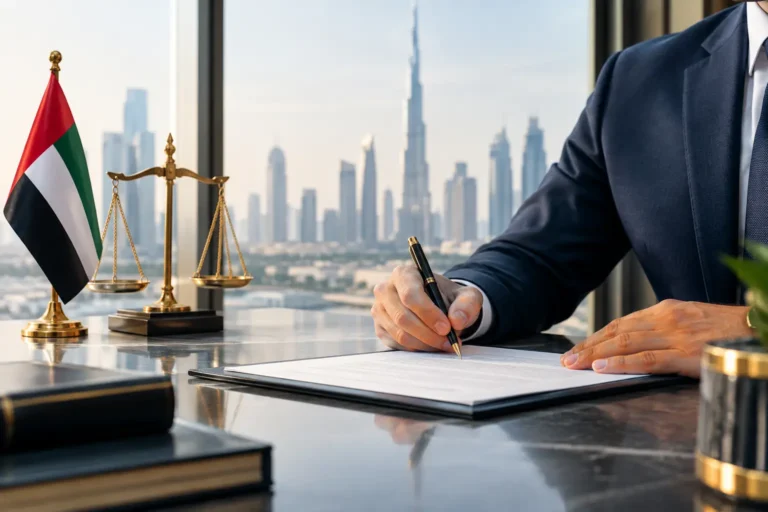
A will is often left until after a property purchase, a new child, a business expansion or an unexpected trip abroad. That delay can create exactly the estate planning mistakes UAE residents and expat will mistakes families most want to avoid: uncertainty over who can act, what happens to assets, and how children will be cared for. In the UAE, a clear, properly prepared will is not simply a personal preference. It is a practical safeguard for the people and assets that depend on you.
For expatriates in particular, estate planning can involve UAE bank accounts, a Dubai property, shares in a company, possessions in more than one country and family members living overseas. A generic online template or a will signed in another jurisdiction may not deal with those circumstances as intended. The right approach is to identify what you own, understand the applicable registration route and make sure the wording reflects your current family and financial position.
Why estate planning in the UAE needs care
Estate planning is broader than deciding who receives money. It can cover property, bank accounts, business interests, personal belongings, debts, guardianship wishes for minor children and the person authorised to administer your estate. Each point needs to be expressed clearly enough to reduce room for disagreement or delay.
The UAE offers will-registration options that may be relevant to non-Muslims, including DIFC Wills Service Centre, Dubai Courts and Abu Dhabi Judicial Department channels. The appropriate route depends on factors such as residency, nationality, location of assets, family circumstances and the legal effect you require. A will that is suitable for one person may not be suitable for another, even where both live in Dubai.
Muslim residents and UAE nationals may be subject to different succession considerations. This is one reason not to copy wording intended for a non-Muslim expatriate or assume that a friend’s will arrangement applies to your family. Professional, jurisdiction-specific guidance is particularly valuable where there are cross-border assets, blended families or business holdings.
Estate planning mistakes UAE residents commonly make
Assuming a foreign will settles everything
Many expatriates already have a will in their home country. That document may remain relevant to overseas assets, but it may not be the most efficient or reliable way to address assets held in the UAE. Its wording, execution formalities and interaction with a UAE will all need careful consideration.
Creating multiple wills without defining which assets each will covers can cause a different problem. If one will revokes another by accident, or both appear to govern the same property or account, the administration process can become more complicated. Clear asset allocation and consistent revocation clauses matter.
Leaving guardianship wishes too vague
Parents of young children frequently focus on property and savings first. Yet a delay or lack of clarity around guardianship can be one of the most distressing consequences of dying or becoming unable to manage affairs. A well-considered will can record guardianship wishes, but those wishes should be drafted with care and in line with the relevant UAE process.
Name an appropriate guardian, consider an alternative if the first person cannot act, and discuss the responsibility with them beforehand. If the proposed guardian lives abroad, think through the practical realities of travel, visas, schooling and the child’s existing support network. A name in a document is not a substitute for a workable family plan.
Forgetting jointly held and non-obvious assets
A person may remember a villa or flat but overlook a jointly owned investment, a vehicle, a safe deposit box, insurance proceeds, end-of-service benefits, cryptocurrency, company shares or funds held through an overseas platform. These assets may have different ownership rules and may not all pass in the same way.
Prepare a private asset schedule alongside the will and review it regularly. It does not need to publish account numbers or passwords in the will itself. Instead, keep secure records that allow your executor to identify the assets and understand where key documents are stored.
Naming an executor without considering the workload
An executor does more than attend a reading of the will. They may need to locate records, communicate with institutions, coordinate with beneficiaries, settle liabilities and deal with paperwork in more than one country. Naming a trusted relative who is overseas, unfamiliar with the UAE or already dealing with family pressures can be less straightforward than it seems.
Choose someone who is willing and capable, then name a replacement where appropriate. Tell them where the signed will is kept and make sure they know whom to contact for document support. The best executor choice is not always the eldest relative or closest friend; it is the person who can responsibly carry out the role.
Expat will mistakes that cause avoidable delays
One common error is treating a will as a one-off task. Your first will may have been correct when signed, but a marriage, divorce, birth, death, property sale, new company, major inheritance or move to another emirate can change what it needs to say. Review it after a significant life event and at sensible intervals even if nothing appears to have changed.
Another mistake is relying on verbal promises. Families may know that you intend one child to receive a property, or that a sibling should handle a business interest, but informal conversations do not provide the certainty that properly prepared legal documents can offer. Good intentions are no replacement for clear instructions.
Language and translation deserve attention as well. Where a document needs Arabic translation, official use, attestation or registration, informal translation can create ambiguity at the point it is least helpful. Names, property details, company information and powers given to executors should be checked closely across every version.
Finally, do not confuse a Power of Attorney with a will. A POA can authorise another person to act for you during your lifetime within the authority granted. It does not continue as a tool for managing your estate after death. Many households need both documents, but they solve different problems and must be prepared for their own legal purpose.
How to prepare a clearer UAE estate plan
Start by setting out the facts rather than choosing a template. List your UAE and overseas assets, liabilities, dependants, existing wills, companies and intended beneficiaries. Then identify the questions that need a decision: who should administer the estate, who should care for minor children, and whether there are specific gifts or property arrangements that need to be recorded.
Next, choose the will route that fits your circumstances and ensure the draft meets its formal requirements. This is where speed should never mean shortcuts. A document prepared efficiently can still be carefully checked for names, passport details, asset descriptions, executor appointments and clauses that might conflict with a foreign will.
Keep the signed version accessible but secure. Your executor should know that it exists and how to locate it, without being given unrestricted access to sensitive records. If you update the will, make sure older copies are handled correctly so that there is no confusion about your final instructions.
For busy residents and overseas owners, remote preparation can make the process far more manageable. POA&More supports clients with will drafting, translation and document-processing requirements through relevant UAE channels, helping them avoid repeated visits and preventable administrative errors.
A practical review before you sign
Before finalising a will, take time to confirm these essential points:
- Your full name, identity details and marital status are correct in every document version.
- The will identifies assets and beneficiaries clearly, without contradictory instructions.
- The executor and any substitute understand their proposed role and can be contacted.
- Guardianship wishes have been considered carefully if you have minor children.
- Overseas wills and UAE arrangements have been reviewed together rather than in isolation.
- The chosen registration channel suits your personal status and the assets you need to address.
A will should provide calm direction when your family needs it most. The most useful estate plan is not the longest document or the quickest template. It is one that accurately reflects your life now, follows the correct UAE process and is reviewed before circumstances make its gaps visible.
Need Legal Help in Dubai?
Our team of legal experts is ready to assist you with Online Power of Attorney services quickly and securely.
.
Contact us now and get a Free Legal Consultation!