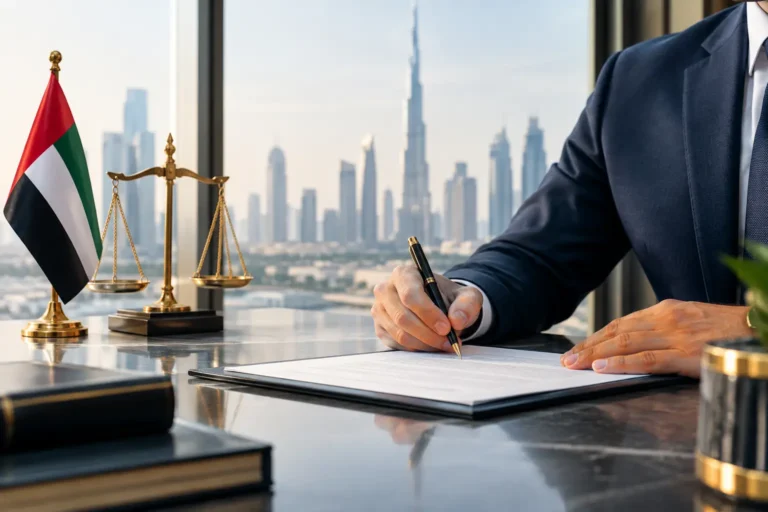
A will is one document your family should never have to search for, interpret or guess at during a crisis. For expatriates with assets, children or business interests in the UAE, will registration Dubai is a practical way to make your instructions clear and formally recorded rather than leaving vital decisions to uncertainty.
Whether you need to register a will Dubai, UAE will registration for assets across more than one emirate, or non-Muslim will registration for a family with international ties, the right route depends on your circumstances. The aim is not simply to sign a document. It is to create a valid, properly drafted will that identifies the right people, covers the right assets and is registered through an appropriate authority.
Why registering a will matters
Many UAE residents assume that a will written in their home country will automatically deal with property, bank accounts and guardianship arrangements here. That can be risky. A foreign will may require further legal procedures before it can be relied upon locally, and its wording may not address UAE-based assets clearly enough.
A registered will gives executors and beneficiaries a clearer starting point. It records who should administer the estate, who should receive named assets and, where relevant, who should care for minor children. It can also reduce avoidable delays, disputes and uncertainty at a time when relatives are already under pressure.
For non-Muslim residents, a UAE will is particularly valuable because it allows estate-planning wishes to be set out in a recognised local framework. The correct drafting and registration channel matter. A will is not a standard form to be copied from the internet, especially where it includes property, shares, overseas assets, dependent family members or a blended family.
UAE will registration options for non-Muslims
There is no single route that suits every person. Non-Muslim will registration may be available through channels including DIFC Courts, Dubai Courts and Abu Dhabi Judicial Department services. Each route has its own scope, procedures, fees, format and practical considerations.
DIFC wills
A DIFC will is often considered by non-Muslims who want a specialist English-language wills framework and have UAE assets or guardianship requirements. The available will types and the appropriate level of coverage should be reviewed carefully. A will that only covers one asset category may be suitable for some clients, while others need a broader estate plan.
Dubai Courts wills
Dubai Courts registration may be appropriate depending on the testator’s residence, assets, language needs and intended scope of the will. Documents may need to be prepared in Arabic or translated by a legal translator where required. This is one reason why wording should be checked before an appointment or submission is made.
Abu Dhabi Judicial Department wills
ADJD provides another route used by non-Muslims, including people whose assets or family arrangements extend beyond Dubai. The best choice is not determined by where you happen to be when you start the process. It should reflect your asset location, family situation, the type of instructions you need and the authority’s current eligibility rules.
A professional review can help prevent a common mistake: selecting a low-cost registration option first, then discovering it does not properly cover the intended assets or guardianship arrangements.
Dubai will registration process: what to expect
The Dubai will registration process is straightforward when the preparation is done properly. It generally begins with a fact-finding stage. You should identify your UAE and overseas assets, family members, intended beneficiaries, proposed executors and any guardians for minor children.
The will is then drafted to reflect those decisions in clear, legally appropriate language. Vague instructions such as “my family will decide” can create difficulties. A stronger will identifies people by their full details, distinguishes between specific gifts and the remainder of the estate, and states who has authority to carry out the instructions.
Once the wording is agreed, the chosen registration authority’s current formalities must be followed. This can include identity verification, an appointment or remote verification where available, reviewing the document with the testator and completing the required signing or registration steps. The exact procedure varies by channel and can change, so it should always be confirmed before submission.
After registration, keep the registered will and reference details secure. Tell your executor that a will exists and where its records can be found, without necessarily sharing every financial detail. Review it after major changes, such as marriage, divorce, the birth of a child, buying or selling property, starting a company or moving assets between countries.
Will registration requirements to prepare in advance
The will registration requirements differ between authorities, but most clients should be ready to provide a valid passport, Emirates ID if applicable, contact details and information about the people named in the will. If the document covers property, it is sensible to have title details available. For company shares, gather the company name, licence details and relevant ownership information.
You will also need accurate information for beneficiaries, executors and guardians. Full legal names, passport details or other identifying information, addresses and contact details help avoid ambiguity. If beneficiaries are overseas, ensure their names match their official documents.
Depending on the route selected, additional documents, certified copies or legal translation may be required. Do not assume that a document prepared in English can be submitted unchanged to every authority. Translation is a legal accuracy issue, not an administrative afterthought. A poorly translated name, property reference or instruction can undermine an otherwise well-planned document.
It is equally important to confirm that you have capacity to make the will and are signing it voluntarily. Registration authorities take these safeguards seriously because the document takes effect only after death and cannot be clarified by its maker later.
Decisions to settle before drafting begins
A will becomes easier to draft when the key decisions are made early. Consider who should act as executor and whether that person is willing and able to handle administration in the UAE. For families with young children, appointing guardians deserves particular care. Speak to the proposed guardians first and consider practical matters such as where the children would live, schooling, residency and support.
Think about whether you want to leave specific assets to named people or divide the estate by percentage. Specific gifts can be useful, but they need updating if an asset is sold. A percentage-based residue clause can provide flexibility for assets that change over time.
International families should also consider whether they have wills in other countries. Multiple wills can work together, but only when drafted carefully. A broad revocation clause in a new will can accidentally cancel an earlier overseas will. Coordinated advice is especially useful where you own property abroad, hold dual nationality or have assets in several jurisdictions.
Avoid delays and costly amendments
The most frequent registration delays arise from incomplete identity documents, inconsistent spelling, unclear beneficiary details, missing translations and choosing the wrong registration path. Another issue is leaving the will until travel, a property sale or a medical emergency creates urgency. A proper will can often be arranged efficiently, but accuracy should not be sacrificed for speed.
Do not use a generic template for a UAE estate simply because it appears familiar. Templates rarely account for local registration formalities, guardianship priorities, cross-border assets or the difference between a personal asset and a company-owned asset. They can also omit essential clauses that only become visible when probate is required.
For clients who are busy, overseas or uncertain about the correct channel, POA&More can support the drafting, document review, translation and registration preparation required for a clear, compliant will. The focus should be on getting the document right before registration, so your family receives practical certainty rather than another legal task to manage.
A registered will is not about expecting the worst. It is about making sure the people you trust have clear instructions, valid documents and one less burden to carry when it matters most.
Need Legal Help in Dubai?
Our team of legal experts is ready to assist you with Online Power of Attorney services quickly and securely.
.
Contact us now and get a Free Legal Consultation!